How to Remove Water from Hydraulic Oil: Causes, Testing Methods & Best Solutions
Product Details
Learn more about the specifications, features and benefits of our high-performance filter element.
Description
Introduction
Water and oil do not mix—especially in hydraulic systems. Even small amounts of water contamination in hydraulic oil can significantly reduce system efficiency, accelerate wear, and shorten equipment lifespan.
If your hydraulic oil appears cloudy or hazy, it is often a clear sign of water contamination. Early detection and proper removal methods are essential to maintaining optimal system performance and avoiding costly downtime.
In this guide, we will explore:
Causes of water contamination in hydraulic oil
Types of water contamination
Testing methods
The most effective removal solutions
Why Water Contam
ination in Hydraulic Oil Is a Serious Problem
Water contamination is one of the leading causes of hydraulic system failure. When water enters hydraulic fluid, it reacts chemically with additives and base oils, leading to:
Oxidation and oil degradation
Rust and internal corrosion
Reduced lubrication performance
Cavitation in pumps
Loss of fluid elasticity and efficiency
Over time, these issues can cause severe damage to components such as pumps, valves, and cylinders.
Common Causes of Water in Hydraulic Systems
Understanding how water enters your system is the first step in prevention. The most common sources include:
Seal leakage allowing moisture ingress
Condensation caused by temperature fluctuations
Rainwater intrusion in outdoor systems
Improper handling or storage of hydraulic oil
Types of Water Contamination in Hydraulic Oil
Identifying the type of water contamination is critical for selecting the right removal method.
1. Dissolved Water
Dissolved water exists at a molecular level and is typically introduced through humid air. Hydraulic oils can hold a limited amount of dissolved water (usually 100–600 ppm, depending on the oil type).
Not visible to the naked eye
Requires Karl Fischer testing for accurate measurement
Can lead to corrosion once saturation is exceeded
2. Emulsified Water
When water exceeds the saturation point, it forms microscopic droplets suspended in oil, creating a cloudy or milky appearance.
Easily detected visually
More harmful than dissolved water
Can be confirmed using the crackle test
Crackle Test Steps:
Heat a plate to approximately 160°C (320°F)
Place a drop of oil on the surface
Observe: bubbling or crackling indicates water presence
3. Free Water
Free water is the most severe form of contamination.
Separates and settles at the bottom of the system
Clearly visible as a distinct layer
Causes rapid corrosion and system damage
Quick Solution: Drain the water layer using system drain valves.
Best Methods to Remove Water from Hydraulic Oil
Choosing the right dehydration method depends on the type and level of contamination.
1. Vacuum Dehydration (Best Overall Solution)
Vacuum dehydration is the most effective method for removing all three types of water—especially dissolved water.
How It Works:
Oil is placed in a vacuum chamber
Pressure is reduced, lowering water’s boiling point
Water evaporates and is condensed back into liquid form
Advantages:
Removes dissolved, emulsified, and free water
High efficiency and reliability
Suitable for critical industrial systems
Considerations:
Higher initial investment
Requires professional installation
2. Centrifugal Separation
Centrifuges use high-speed rotation to separate contaminants based on density.
Capabilities:
Removes free water and most emulsified water
Also eliminates sludge and solid particles
Advantages:
Continuous or batch operation
Multi-contaminant removal
Limitations:
Less effective for dissolved water
Requires regular maintenance
3. Filtration Methods (Cost-Effective Option)
Hydraulic filtration systems are widely used due to their simplicity and affordability.
Absorption Filters
Made from water-absorbing materials (e.g., polymer fibers)
Ideal for small systems
Must be replaced once saturated
Coalescing Filters
Combine small water droplets into larger ones for separation
Effective for emulsified and free water
Suitable for industrial applications
Benefits of Filtration:
Easy installation
Low cost
Compact design
How to Prevent Water Contamination in Hydraulic Oil
Prevention is always more cost-effective than removal. Follow these best practices:
Routine Maintenance
Replace hydraulic fluid at recommended intervals
Inspect seals and components regularly
System Monitoring
Use online moisture sensors
Conduct periodic oil analysis
Proper Storage & Handling
Store oil in dry, controlled environments
Avoid exposure to moisture during transfer
Regular Inspections
Check for cloudy oil
Identify leaks early
Choosing the Right Hydraulic Oil Filter Solution
Selecting the right filtration solution is critical for maintaining fluid cleanliness and extending equipment life.
Key factors to consider:
Type of water contamination
System size and operating conditions
Required filtration efficiency
Maintenance and replacement cos
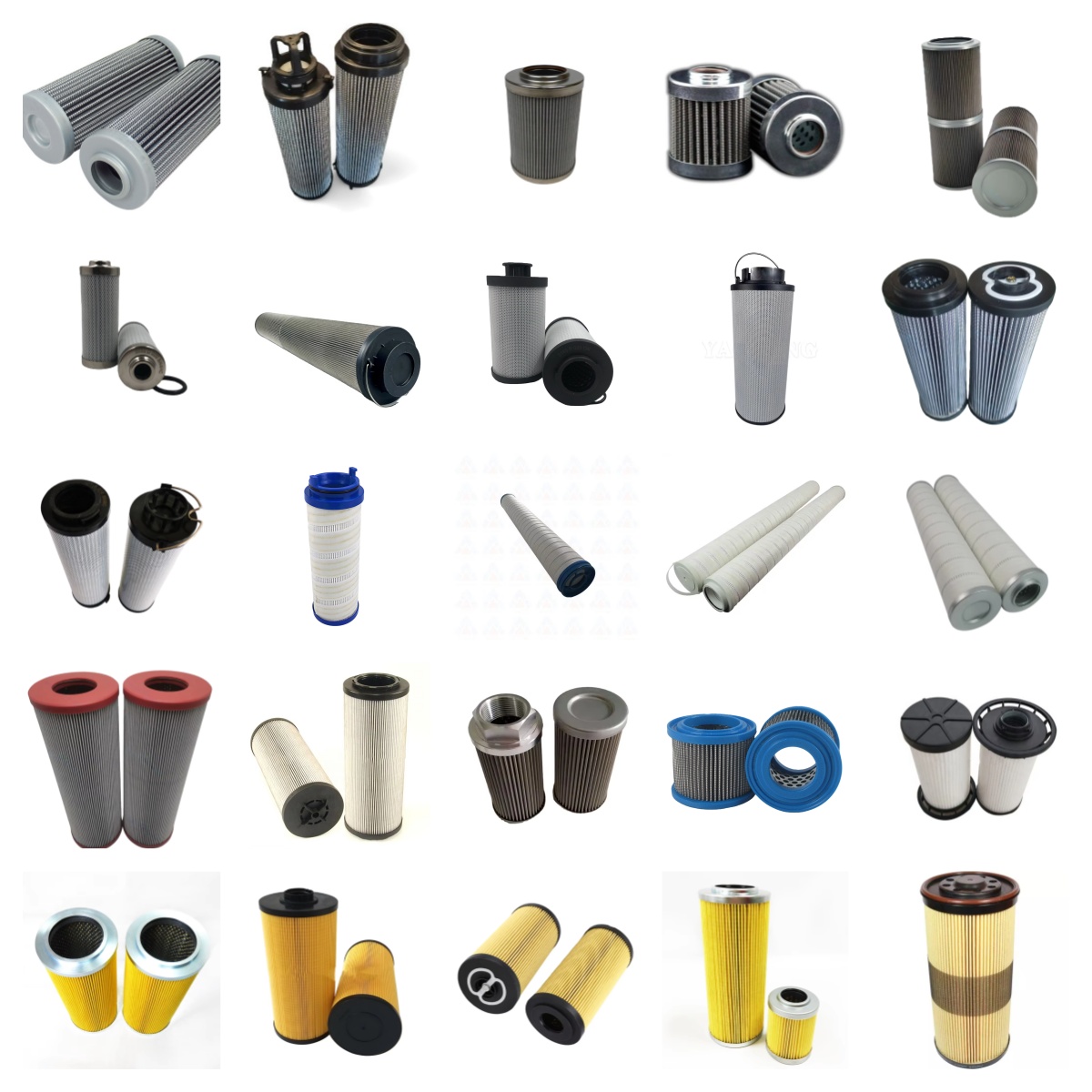
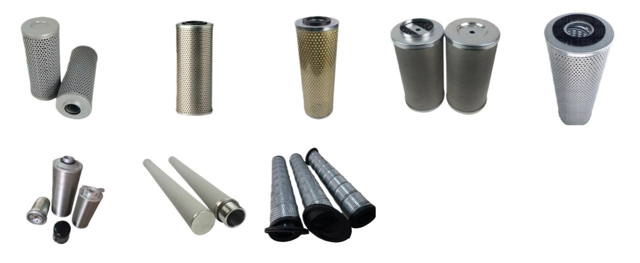
High-quality coalescing filters and water-absorbing filter elements are widely used in industries such as: Oil & gas ; Power generation; Manufacturing ;Marine systems
Conclusion
Water contamination in hydraulic oil can lead to severe equipment damage if not addressed promptly. By understanding the types of contamination and applying the appropriate removal techniques—such as vacuum dehydration, centrifugal separation, or advanced filtration—you can significantly extend the life of your hydraulic system.
Implementing proper maintenance and prevention strategies will further ensure system reliability, reduce downtime, and lower operational costs.
Specifications
If you are interested in this filter, please contact us to get the price.
Features
Model Number
Twenty-two years of expertise in reliable, automated industrial filtration, supported globally across 50+ countries.
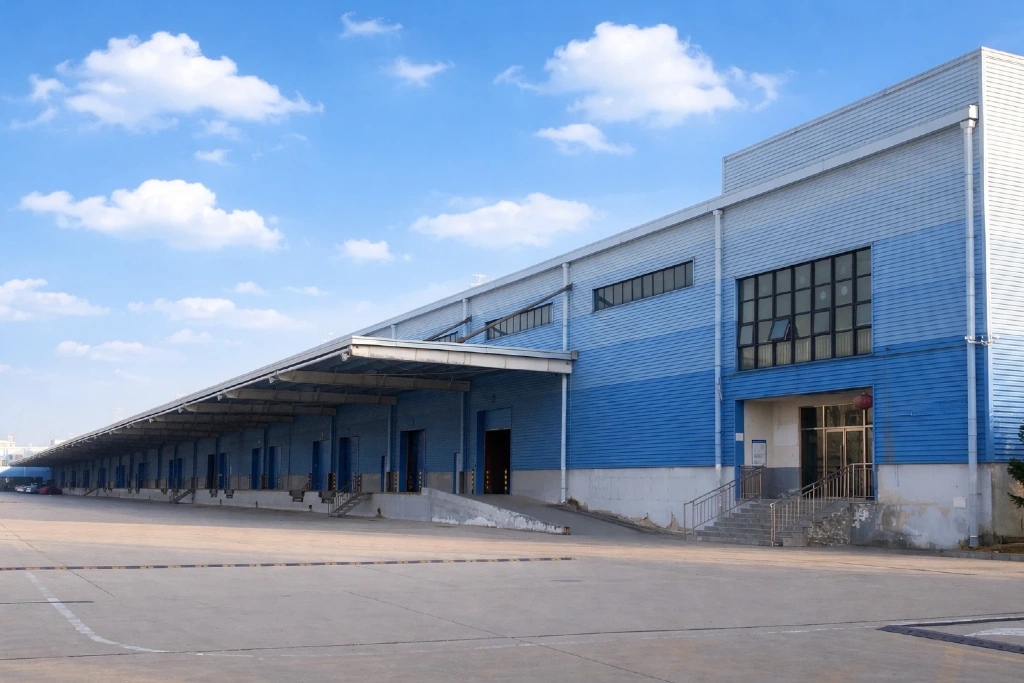
Meitong Filtration was established in 2003 and is located in Bazhou City, Hebei Province, China. We are a professional manufacturer dedicated to the development and production of industrial Filtration and purification solutions.
Why Choose a Custom Pool Filter
- 22+ years of industrial filtration expertise.
- Products exported to 50+ countries & regions.
- Automated production with strict quality control.
- Customized designs for various working conditions.
- You source directly from the manufacturer. This means factory-direct pricing, maximum value, and no middlemen.
Related Products
Explore our other high-quality filtration solutions

How to Remove Water from Hydraulic Oil: Causes, Testing Methods & Best Solutions
Industrial Filter Collapse Prevention Guide: Systemic Solutions for Filter Element Flattening
Coalescing Filter Elements: Complete Guide to Types, Applications, Selection and Replacement