Coalescing Filter: Working Principle & Applications
Product Details
Learn more about the specifications, features and benefits of our high-performance filter element.
Description
In industrial processes such as oil & gas, petrochemical production, and compressed air systems, fluid streams often contain contaminants like water, oil aerosols, and solid particles. These impurities can reduce product quality, damage equipment, and increase maintenance costs.
A coalescing filter is a highly efficient solution designed to remove these contaminants and ensure clean, dry, and reliable process streams.
What Is a Coalescing Filter?
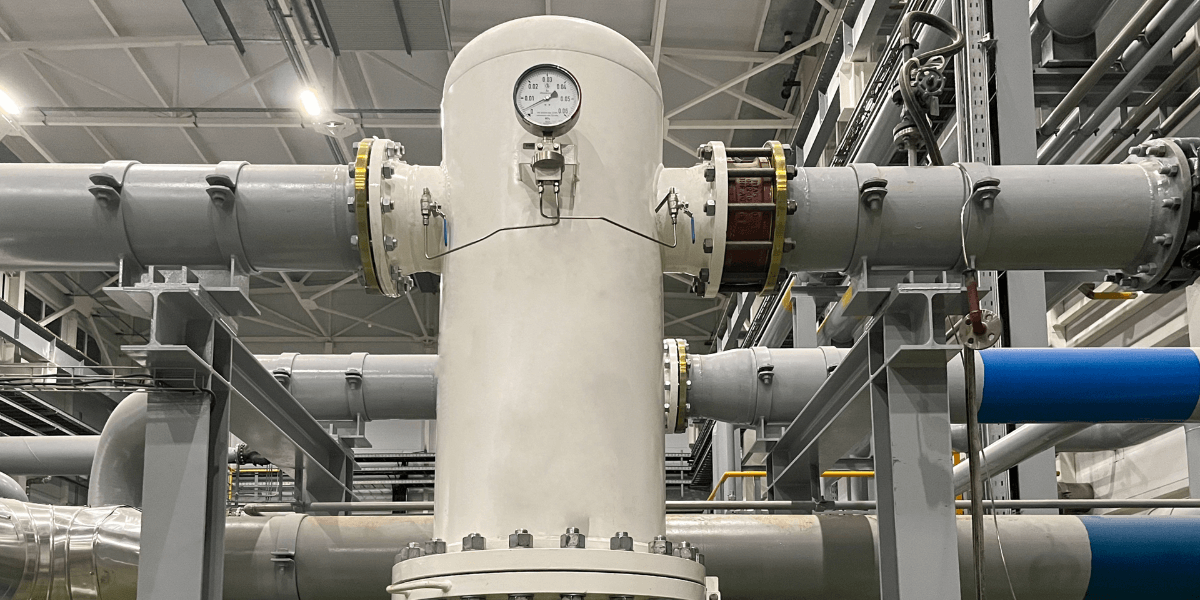
A coalescing filter is a specialized filtration device used to separate liquid aerosols and fine particles from gas or liquid streams based on
the principle of coalescence—the process by which small droplets merge into larger ones.
It is widely used in industries such as:
Natural gas processing
Oil & gas refining
Chemical processing
Compressed air systems
Coalescing filters can effectively handle:
Gas-liquid separation (e.g., gas & water)
Liquid-liquid separation (e.g., oil & water)
Removal of fine particulate contaminants
How Does a Coalescing Filter Work?
The operation of a coalescing filter typically involves three main stages:
1. Filtration (Capture Stage)
Contaminated gas or liquid enters the filter housing and passes through a high-efficiency filter element made of fine fibers (such as borosilicate glass). Solid particles are trapped. Liquid aerosols (oil/water mist) are captured within the media.
This process relies on mechanisms such as interception, diffusion, and inertial impaction.
2. Coalescence (Merging Stage)
As the fluid flows through the filter media.Tiny droplets collide with fibers and with each other.Small droplets merge into larger droplets.
This is the core function of a coalescer—turning difficult-to-remove micro-droplets into larger, separable drops.
3. Separation & Drainage Stage
Once droplets grow large enough:
Gravity forces them to fall out of the flow stream. Liquid accumulates at the bottom of the filter housing.Collected contaminants are discharged through a drain.Clean, dry gas or fluid then exits through the outlet.
Types of Coalescing Filters
Coalescing systems can be classified into two main types:Mechanical Coalescers ,Electrostatic Coalescers
Mechanical Coalescers
Use filter media and structural barriers
Common in oil, gas, and industrial applications
No external energy required
Electrostatic Coalescers
Use electric fields to accelerate droplet merging
Suitable for separating stable emulsions
Often used in offshore oil & gas processing
Key Benefits of Coalescing Filters
1. Efficient Removal of Oil, Water, and Particles
Coalescing filters can remove submicron aerosols and contaminants, ensuring high purity levels in gas and liquid streams.
2. Protection of Equipment
By eliminating contaminants, coalescing filters help protect:Compressors, Turbines, Valves,Pipelines.This reduces wear, corrosion, and unexpected failures.
3. Improved System Efficiency
Clean process streams allow equipment to operate at optimal performance, improving overall system efficiency and productivity.
4. Reduced Maintenance Costs
Less contamination means; Lower downtime; Fewer replacements; Reduced operational costs
5. Enhanced Product Quality
In industries like petrochemical and natural gas processing, removing impurities ensures compliance with strict quality standards and prevents catalyst poisoning.
Typical Applications
Natural gas filtration – removing water and condensates
Compressed air systems – eliminating oil mist and moisture
Fuel filtration – ensuring clean fuel supply
Petrochemical processing – separating hydrocarbons and water
Compressor systems – recovering lubricating oil and protecting downstream equipment
Conclusion
A coalescing filter is an essential component in modern industrial filtration systems. By combining fine particle filtration with liquid dropletcoalescence and separation, it provides an efficient and reliable solution for removing contaminants from gas and liquid streams.
Whether used in natural gas processing, compressed air systems, or petrochemical applications, coalescing filters play a critical role in protecting equipment, improving efficiency, and ensuring product quality.
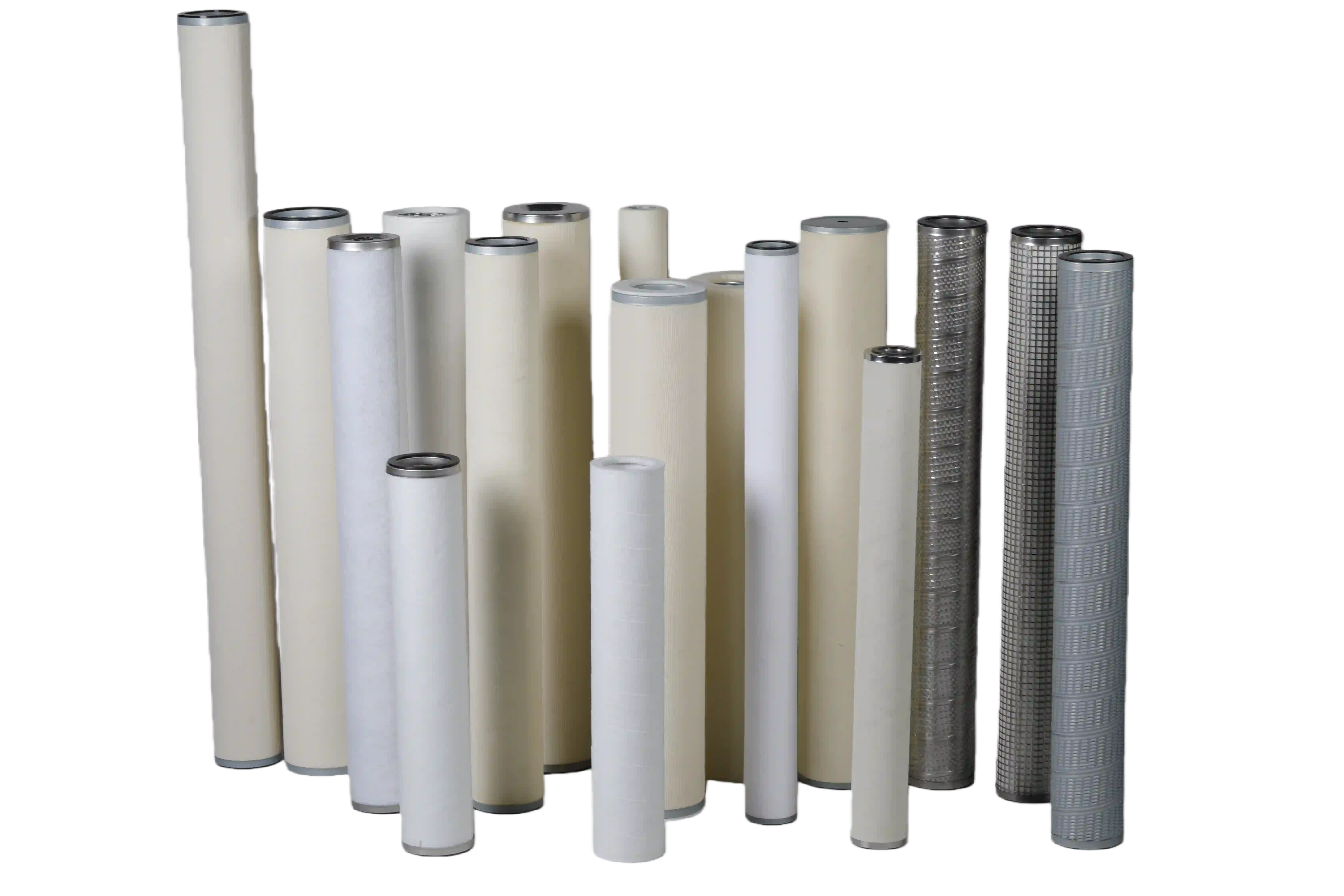
Specifications
If you are interested in this filter, please contact us to get the price.
Features
Model Number
Twenty-two years of expertise in reliable, automated industrial filtration, supported globally across 50+ countries.
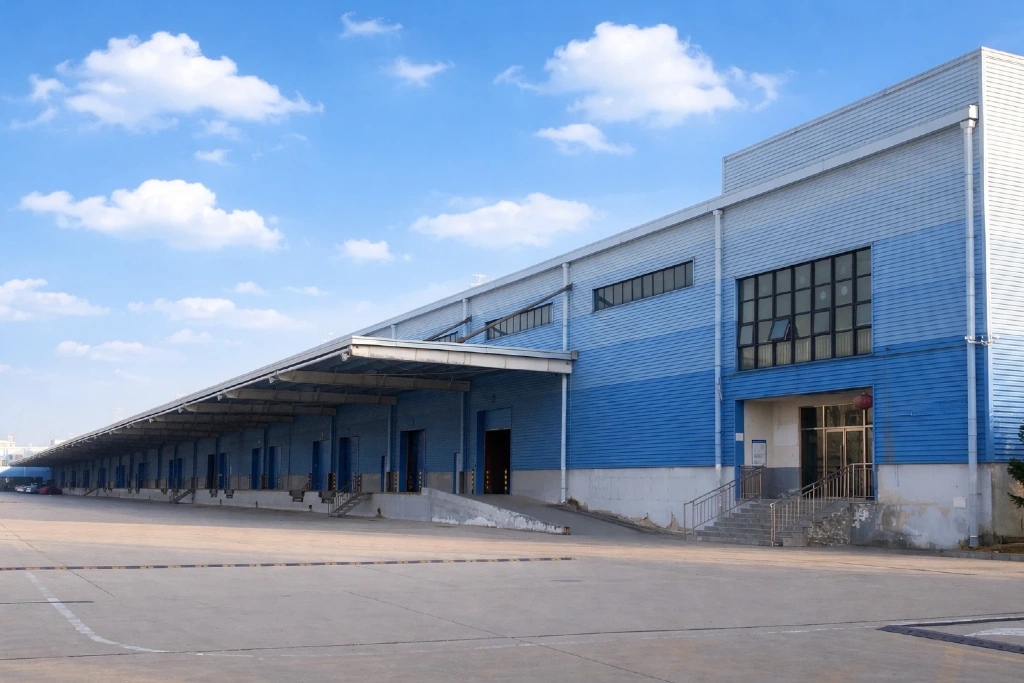
Meitong Filtration was established in 2003 and is located in Bazhou City, Hebei Province, China. We are a professional manufacturer dedicated to the development and production of industrial Filtration and purification solutions.
Why Choose a Custom Pool Filter
- 22+ years of industrial filtration expertise.
- Products exported to 50+ countries & regions.
- Automated production with strict quality control.
- Customized designs for various working conditions.
- You source directly from the manufacturer. This means factory-direct pricing, maximum value, and no middlemen.
Related Products
Explore our other high-quality filtration solutions

How to Remove Water from Hydraulic Oil: Causes, Testing Methods & Best Solutions
Industrial Filter Collapse Prevention Guide: Systemic Solutions for Filter Element Flattening
Coalescing Filter Elements: Complete Guide to Types, Applications, Selection and Replacement