Full-Process Protection: Core Filtration Technologies and Best Practices in the Natural Gas Industry
Full-Process Protection: Core Filtration Technologies and Best Practices in the Natural Gas Industry
Full-Process Protection: Core Filtration Technologies and Best Practices in the Natural Gas Industry
In the natural gas industry, fluid filtration technology is the backbone of operational safety, process efficiency, and environmental compliance. Whether in upstream field development, midstream processing, or downstream distribution, the precise interception of solid particulates, liquid aerosols, and harmful vapors determines both equipment lifespan and final product purity.
I. Upstream Production: The First Line of Defense
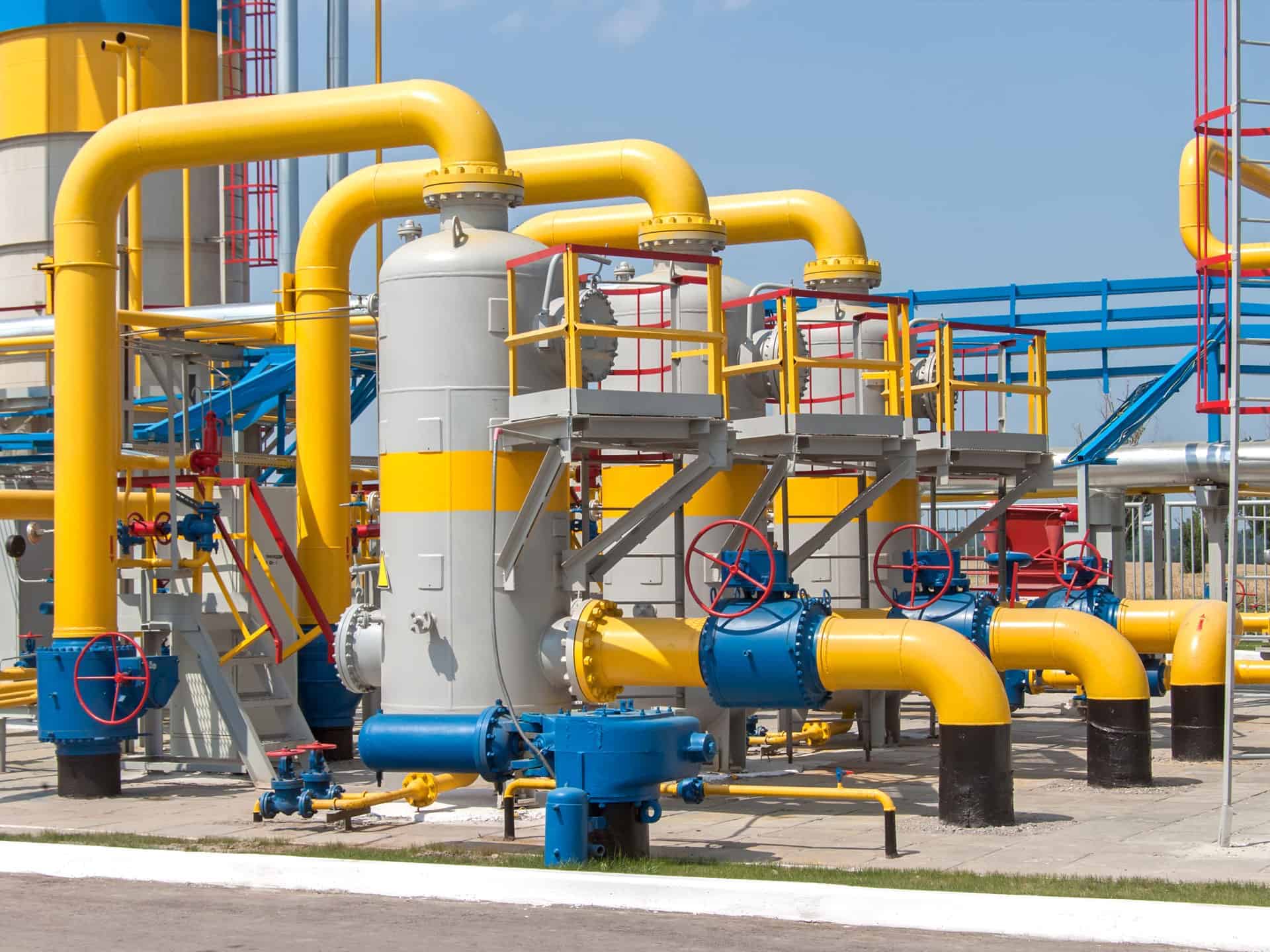
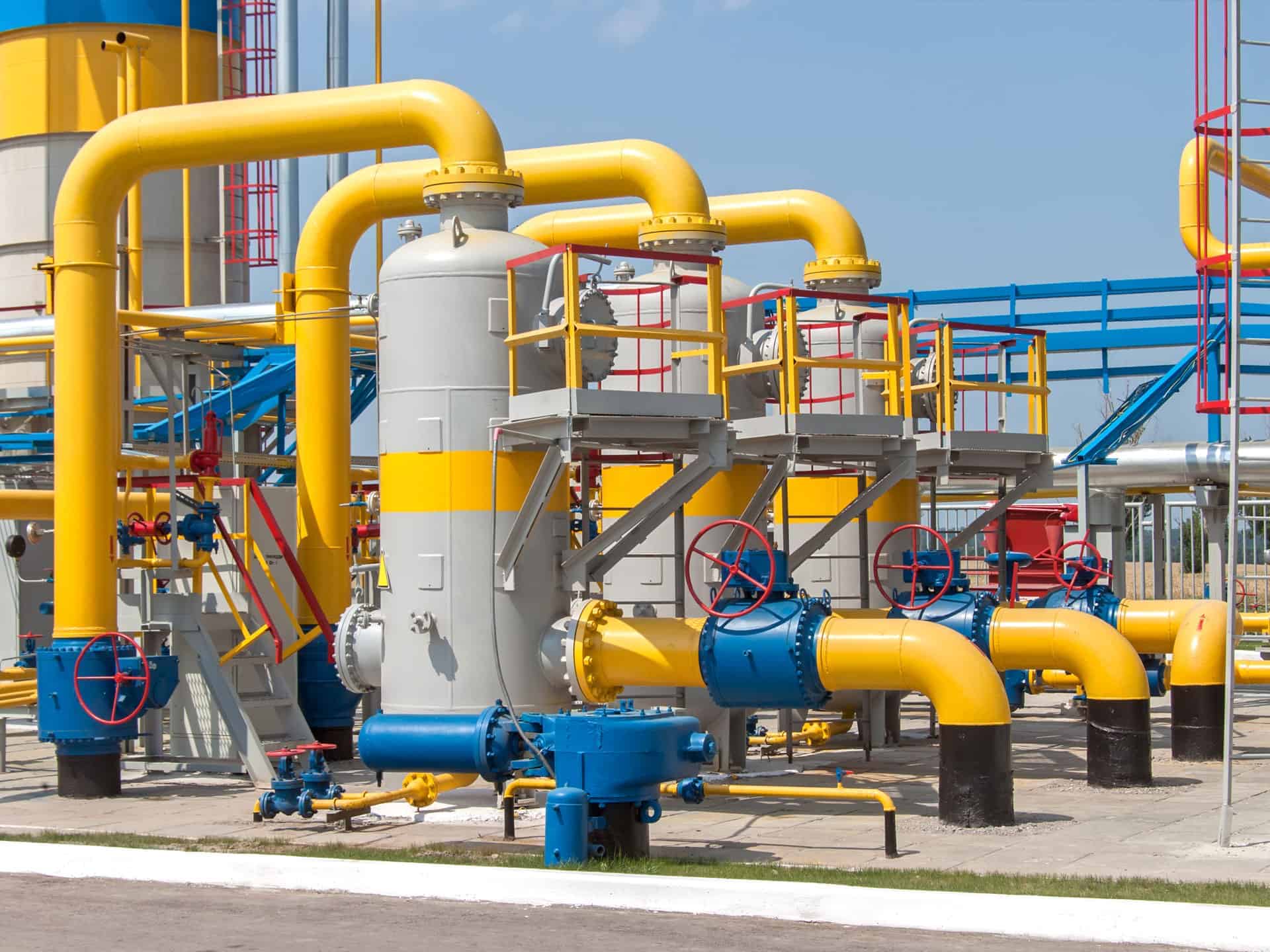
During the development of unconventional reservoirs, such as shale and tight gas, raw gas from high-pressure wells often carries heavy loads of sand, pipe scale, and condensates. To prevent erosion of downhole tools and surface piping, multi-stage filtration is critical.
Separator Filters: Deployed at gathering line inlets, these two-stage vessels use centrifugal force or vane internals to remove bulk liquids and large solids, followed by a secondary stage where high-efficiency elements intercept remaining fine mists.
Particulate Filters: For dry gas streams, these utilize pleated or depth media to capture rust and scale, providing essential anti-erosion protection for downstream compressors.
Acid Gas Removal: For sour gas ($H_{2}S$ or $CO_{2}$), filtration units combined with molecular sieves or iron oxide media adsorb acidic components to halt equipment corrosion at the source.
II. Midstream Processing: The Guardian of Precision
Once gas enters the processing plant, filtration requirements tighten—especially for Cryogenic Liquefaction (LNG) processes.
Coalescing Filters: These are indispensable for protecting Dry Gas Seals, mole sieves, and amine units. By utilizing "inside-to-outside" flow, they merge sub-micron liquid aerosols (lube oil mist, moisture) into larger droplets for drainage. High-performance elements achieve 99.99% efficiency for 0.3-micron droplets.
High-Precision Particulate Filtration: In the final stage before liquefaction, filters with ratings below 1 micron intercept residual particles to ensure LNG purity meets international trade standards and protects aluminum plate-fin heat exchangers from plugging.
III. Downstream Storage & Terminals: The Final Safety Gate
Before gas reaches city gates or industrial end-users, filtration ensures combustion efficiency and system integrity.
Carbon Filters (Adsorption): Used for deep purification, activated carbon elements remove hydrocarbon vapors and odors. These are typically placed downstream of a coalescer to prevent liquid fouling of the carbon bed.
CNG Station Protection: In high-pressure Compressed Natural Gas (CNG) stations, coalescing elements remove compressor lube oil carryover, preventing contamination of vehicle cylinders and engine damage.
Cryogenic Filtration: For LNG carriers, specialized filters designed for -162°C intercept ice crystals and wax, ensuring safe cargo discharge and tank integrity.
IV. Future Trends: Green Energy & Intelligence
Environmental Compliance: In produced water treatment, combining Activated Carbon with Ultrafiltration (UF) membranes enables superior oil-water separation for meeting discharge standards.
Smart Maintenance: Online differential pressure ($\Delta P$) sensors track element saturation in real-time, allowing operators to optimize change-out cycles and reduce OPEX.
Hydrogen Integration: New filtration media are being developed to support Hydrogen-Natural Gas blending, providing a technical foundation for the green energy transition.
Why Leading Operators Are Switching to Our OEM-Alternative Filter Elements
While OEM brands like Pall, Parker, Jonell Velcon, or PECO provide the initial hardware, choosing high-quality Interchangeable Filter Elements for ongoing maintenance offers superior commercial value.
1. Significant Cost Efficiency
OEM elements often carry a heavy brand premium. Our alternatives reduce procurement costs by 30% - 60% while maintaining or exceeding original performance specifications, directly increasing your bottom-line profit.
2. Drastically Reduced Lead Times
Avoid the months-long wait times of global OEM supply chains. We maintain an extensive inventory of common industry models (e.g., PCHG Series, CS Series), ensuring "Rapid Response & Express Shipping" to eliminate the risk of unplanned downtime.
3. Precision Engineering & ISO Standards
Our elements are not just "replacements"—they are engineered to meet or exceed ISO Quality Systems and Beta Ratios :
Material Sync: We use identical or superior borosilicate glass fiber, polyester, and nano-fiber media.
Structural Compatibility: End caps, O-rings, and support cores are 100% matched to original dimensions, ensuring a perfect fit in your existing housings.
4. Customization for Harsh Environments
Unlike "one-size-fits-all" OEM parts, we can customize elements for specific conditions, such as high concentrations or extreme temperatures, using specialized coatings or stainless steel support meshes to extend service life.
Choosing alternative filter elements is no longer just about cost-cutting; it is a strategic move in asset management. We provide a full range of alternative solutions for Particulate, Coalescing, and Separator applications.
"Precision engineering to match OEM performance, professional service to redefine filtration costs—our alternative elements are the smarter choice for your natural gas asset management."
[Contact our technical experts today to receive a cross-reference list and a competitive quote for your currentsystem.] https://www.meitongfilter.com/index/product/index/cid/28.shtml